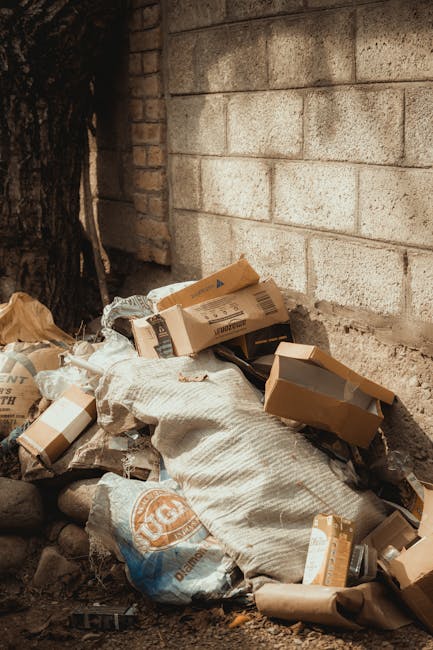
Rubbish removal guide for Wanstead High Street
If you are dealing with a pile of black bags, a broken wardrobe, a shop refit, or the sort of mixed waste that seems to breed overnight, this Rubbish removal guide for Wanstead High Street is here to make the job feel less annoying and a lot more manageable. Wanstead High Street has its own rhythm: busy pavements, small business frontages, residential side streets, and that constant London pressure to keep things moving without blocking the road or annoying the neighbours. Truth be told, rubbish removal in a place like this is not just about "getting stuff gone". It is about doing it safely, legally, and without creating extra hassle.
In this guide, you will find a clear breakdown of how rubbish removal works locally, what to do before you book, what to avoid, and how to decide between a van collection, a skip, or a one-off clearance. We will also cover practical compliance points, sensible preparation tips, and the little details that often get missed until the last minute. If you want a smoother cleanup, fewer surprises, and a better chance of keeping your day on track, you are in the right place.
Table of Contents
- Why rubbish removal on Wanstead High Street matters
- How rubbish removal on Wanstead High Street works
- Key benefits and practical advantages
- Who this is for and when it makes sense
- Step-by-step guidance
- Expert tips for better results
- Common mistakes to avoid
- Tools, resources and recommendations
- Law, compliance, standards, and best practice
- Options, methods, and comparison table
- Case study or real-world example
- Practical checklist
- Conclusion
- Frequently asked questions
Why rubbish removal on Wanstead High Street matters
Wanstead High Street is the sort of place where clutter becomes visible quickly. Bags left out for too long, broken furniture near a frontage, or builders' waste in the wrong spot can affect footfall, appearance, and day-to-day access. For a homeowner, it can make the house feel cramped and unfinished. For a business, it can quietly chip away at presentation. And for anyone moving items through a busy local area, timing matters more than you might expect.
There is also a practical side that people sometimes miss. Rubbish is not just unsightly; it can attract pests, create slip hazards, and turn a simple clear-out into a stressful multi-step project. If you are trying to free up a flat, clear a back garden, or deal with a pile of packaging after a delivery or refit, the right removal approach saves time and reduces friction. Nobody wants to drag old furniture across a narrow hallway at 8pm because the day got away from them. Been there, regretted that.
For nearby householders and shop owners, sensible waste handling also helps maintain the feel of the street itself. A tidy frontage supports a better first impression, and that matters whether you are opening the shutters in the morning or welcoming family home in the evening. If you are also comparing broader waste options around East London, you may find our house clearance services in London useful as a related reference point.
How rubbish removal on Wanstead High Street works
In simple terms, rubbish removal is the process of collecting unwanted items, loading them safely, and sending them to the right destination for reuse, recycling, or disposal. The exact method depends on the type and volume of waste, how quickly you need it gone, and how easy it is to access the property.
On a street like Wanstead High Street, the process often starts with a quick assessment. A removal team or waste provider usually wants to know:
- what type of waste you have
- roughly how much there is
- where it is located in the property
- whether parking or access is tight
- if any items need special handling, such as fridges, paint, or electricals
From there, the provider may recommend a man-and-van style collection, a full clearance, a skip, or a combination of services. The right answer is not always the biggest vehicle or the fastest option. Sometimes the smartest choice is the one that lets you keep the pavement clear and avoid overpaying for space you do not need.
There is a difference between a simple load-and-go collection and a proper clearance. Collection usually means the items are ready to be taken away. Clearance is broader; it may involve sorting, carrying items from multiple rooms, and tidying up as the team works. If the job includes a shop, office, or mixed-use space, that distinction matters quite a bit.
For more detail on ongoing collection options, see our rubbish removal service overview and, if you are dealing with a larger domestic job, flat clearance support may be the better fit.
Key benefits and practical advantages
The main benefit is obvious: less mess. But the real value of professional rubbish removal, or simply a well-planned removal approach, goes deeper than that.
- Time saved: one decent collection can remove hours of lifting, sorting, and trips to disposal sites.
- Less disruption: a planned pickup keeps hallways, shop entrances, and front paths clearer.
- Better safety: fewer trip hazards, less manual handling, and lower risk of injury.
- Cleaner finish: a clear space looks more usable straight away, which matters after a move, renovation, or declutter.
- More suitable disposal: items can be separated more sensibly, especially when there is a mix of furniture, appliances, and general junk.
- Reduced stress: perhaps the underrated one. Once the rubbish is gone, the mental clutter tends to ease too.
For businesses on or near the High Street, there is a further advantage: a clean frontage supports customer confidence. Even a small shop can feel far more welcoming when waste is cleared promptly, especially after deliveries or refurbishments.
And if the job is part of a bigger relocation or property change, it can help to coordinate with related services such as office clearance or same-day rubbish removal when speed really matters.
Who this is for and when it makes sense
This guide is useful for a wide range of people, not just those facing a full house clear-out. In practice, rubbish removal on Wanstead High Street makes sense for:
- homeowners doing a declutter, renovation, or spring clean
- renters leaving a flat and needing to clear leftover items
- landlords preparing a property between tenancies
- shop owners dealing with packaging, shelving, or refurbishment waste
- small offices replacing furniture or clearing storage rooms
- people handling bulky items that will not fit in normal bins
- anyone who wants a tidy, straightforward solution without multiple trips
It also makes sense when you simply do not have the time or vehicle to deal with waste properly yourself. Let's face it, a weekend can disappear very quickly once you start lifting old cabinets, separating mixed waste, and trying to find somewhere to park the car long enough to load it all. If you have a deadline, the job becomes more about logistics than tidying.
This is especially true for narrow domestic streets and busy commercial areas. The more awkward the access, the more valuable a well-organised removal becomes. If your project is part of a move, you may also want to look at end of tenancy clearance for a more complete handover.
Step-by-step guidance
Here is a practical way to approach rubbish removal without overthinking it.
1. Sort what needs to go
Start by separating items into rough groups: general waste, bulky furniture, electricals, garden waste, cardboard, metal, and anything that may need special handling. Do not worry about making it perfect at this stage. A rough sort is enough to make the collection more efficient.
2. Identify what can be reused, donated, or recycled
Some items that look like rubbish are still usable. A sturdy chair, a working lamp, or a pile of clean cardboard may have a second life. Reuse and recycling are not just feel-good extras; they can reduce the amount of waste that needs direct disposal. That said, do not keep unusable items "just in case". That is how hallways turn into storage zones.
3. Check access and parking before you book
On Wanstead High Street, access planning can save the day. Think about where the vehicle can stop, whether items need to pass through narrow entrances, and how far the team will need to carry things. If there are loading restrictions or time-sensitive parking issues, flag them early. A five-minute conversation now can prevent a frustrating half-hour later.
4. Ask what the provider can and cannot take
Not every service handles every material. Some items may need separate arrangements, especially hazardous or specialist waste. Ask about fridges, freezers, paints, gas bottles, fluorescent tubes, large batteries, or anything that looks like it might need care. If you are not sure, send a photo. It is a small thing, but it helps.
5. Get a clear quote or estimate
A sensible quote should reflect the volume, type of waste, access conditions, and any extras. Be wary of vague pricing that changes once the team arrives. A little transparency goes a long way here. You want confidence, not a guessing game.
6. Prepare the items for collection
Stack items safely, make sure pathways are clear, and keep anything you are not removing well away from the load area. If the job is indoors, open doors if needed and protect any delicate flooring or corners. This is where a little preparation pays off. No drama, just fewer headaches.
7. Confirm the disposal route
Responsible providers should send waste to appropriate facilities and separate recyclable materials where possible. You do not need a dissertation on the process, but you do want confidence that the waste is being handled properly. That is part of good service, full stop.
Expert tips for better results
A few small decisions can make a surprisingly big difference.
- Book before the pile becomes a problem. A manageable clear-out is usually cheaper and less stressful than a last-minute rescue job.
- Take photos before you call. Good photos help with estimating volume and planning the right vehicle or team size.
- Keep fragile and valuable items separate. It sounds obvious, yet mixed piles have a habit of swallowing important things.
- Label anything that must stay. A simple note or tape marker can prevent misunderstandings on the day.
- Schedule around traffic and opening hours. On a busy street, timing is not a minor detail. It is half the job.
One practical observation from real-world clearances: the smallest item can slow the entire job if it is awkwardly placed. A single heavy wardrobe hidden behind three boxes of old books can turn a tidy collection into a slow shuffle. So, if possible, bring the waste closer to the exit in advance.
Another useful habit is to group similar materials together. Cardboard in one corner, metal in another, general rubbish in a third. It looks simple because it is simple, and simple is often what works best.
If you are managing waste across different types of properties, our commercial waste collection guide may help you think through repeat pickups, while furniture disposal is useful for larger bulky items.
Common mistakes to avoid
Most rubbish removal problems are avoidable. They usually come from rushing, underestimating volume, or not checking what the service actually includes.
- Leaving it too late: last-minute bookings often limit your options.
- Mixing prohibited items with general waste: this can create delays or additional charges.
- Forgetting about access: parking, stairs, and narrow halls matter more than people think.
- Assuming all quotes are the same: they are rarely the same once waste type and access are considered.
- Not checking whether recycling is included: good providers should be clear about how materials are handled.
- Ignoring heavy lifting risks: old furniture can be far more awkward than it looks.
One slightly silly but very common mistake is keeping "just one bag" of mixed junk in the corner for weeks because you are too busy. Then the bag multiplies. It happens. Life happens. But once you notice that the corner has become a storage zone, that is usually the moment to act.
Also, do not assume all waste can go in a skip or be left on the pavement. The street is not a private dumping ground, and local rules around placement and collection timing should be respected. If in doubt, ask before you place anything outside.
Tools, resources and recommendations
You do not need specialist equipment for every job, but a few basic tools make the process much easier.
- Heavy-duty gloves: useful for sharp edges, dusty items, and awkward lifting.
- Bin bags or rubble sacks: stronger bags reduce the chance of splits on the way out.
- Tape and labels: helpful for marking keep, donate, recycle, and remove piles.
- Moving blankets or cardboard: useful for protecting floors and door frames.
- Trolley or sack truck: a real time-saver for heavier items, if access allows.
- Camera phone: great for documenting what needs to go and getting accurate estimates.
For local or nearby support, it can also be helpful to check whether you need a more general clearance service. For example, junk removal may suit mixed household waste, while garden waste removal is the better fit for branches, soil, and outdoor debris.
If you are dealing with very specific items, ask about the disposal route before booking. That includes white goods, office electronics, and anything damaged by water or renovation work. A quick question now is cheaper than a correction later.
Law, compliance, standards, and best practice
Waste removal in the UK carries responsibilities, even for small domestic jobs. You do not need to become a compliance expert overnight, but you should know the basics.
First, waste should be passed to a legitimate carrier or disposed of through appropriate channels. If someone offers to take your rubbish away cheaply and cannot explain where it goes, that is a red flag. Fly-tipping can create serious problems for the person whose waste was mishandled, even if they thought they were just paying for a quick favour. Not ideal, obviously.
Second, special waste needs special care. Electrical items, fridges, freezers, and certain chemicals may have separate handling requirements. The exact process depends on the item and the provider, so it is wise to ask rather than guess. In practical terms, responsible handling is about separating what can be recycled, what needs specialist treatment, and what should go to general disposal.
Third, access and placement should respect neighbours, pedestrians, and local rules. On a busy high street, that means avoiding unnecessary obstruction and keeping the work area controlled. If a skip or load-out point is needed, check what permissions may be required and confirm arrangements in advance. Best practice is usually the quiet, organised approach. Less visible mess, less noise, less hassle.
If your project touches tenancy, landlords, or business premises, you may also benefit from related guidance on property clearance and waste disposal in London.
Options, methods, and comparison table
There is no single "best" way to remove rubbish from Wanstead High Street. The right option depends on how much you have, how quickly you need it gone, and whether the waste is simple or specialised.
| Method | Best for | Pros | Watch-outs |
|---|---|---|---|
| Man and van collection | Bulky mixed loads, one-off clear-outs | Flexible, quick, often ideal for awkward access | Volume limits may apply; quote depends on load size |
| Skip hire | Longer projects, building work, repeated filling | Good for ongoing disposal over several days | Placement, permits, and space requirements matter |
| Full clearance service | Homes, flats, offices, shops, or entire rooms | More hands-on, less effort for the customer | May be more than you need for a small job |
| Self-haul to a facility | Small loads and confident DIY users | Can be cost-effective if you already have transport | Time-consuming, physically demanding, and not always practical |
For many people on or near the High Street, a van-based collection is the easiest fit because it avoids leaving a skip in a tight spot. For longer renovations, a skip may work better. For shops and offices, a planned clearance can reduce disruption and keep the premises usable. Simple, really, but choosing the right method makes the whole process feel far less chaotic.
Case study or real-world example
Imagine a small independent shop near Wanstead High Street that has just finished a light refit. There is old shelving in the back room, cardboard from deliveries, some damaged display materials, and a few electrical bits that can no longer be used. The owner needs the space back before the next trading day.
Rather than trying to squeeze everything into a standard bin or making repeated car trips, the owner separates the items into rough groups, checks access at the rear, and books a collection that can handle mixed waste. The team arrives with the right vehicle, loads the bulky items first, and leaves the back room clear enough for the owner to set up stock again that afternoon. Nothing dramatic. Just a tidy, efficient result.
The key lesson here is not that every job needs a big solution. It is that the right-sized solution saves time and prevents avoidable disruption. A small clear-out can become a big headache if it is left until the last minute, but with a bit of planning, it stays manageable.
We have seen similar outcomes where households preparing for decorating or moving use bulk waste collection to remove larger items in one go. Once the bulky stuff disappears, the rest of the project tends to move more smoothly. Funny how that works.
Practical checklist
Use this checklist before your collection or clearance day.
- Identify what needs to be removed
- Separate reusable, recyclable, and general waste where practical
- Set aside any items that must stay
- Photograph the load for reference
- Check access, parking, and entry points
- Ask about restricted or specialist items
- Confirm the quote or estimate in advance
- Clear a safe path to the items
- Protect floors, corners, and walls if needed
- Keep bins, keys, and access instructions ready
- Make sure someone is available if decisions may be needed on the day
- Check that you understand what happens to the waste after collection
Expert summary: The best rubbish removal jobs are usually the ones that look boring from the outside. A clear plan, decent access, sensible sorting, and a provider who knows the area can save time, reduce costs, and keep everything moving without fuss.
Conclusion
Rubbish removal on Wanstead High Street does not need to be complicated. Once you know what you have, how much access you have, and what kind of service fits the job, the process becomes much more straightforward. The biggest wins usually come from simple things: sorting the waste properly, asking the right questions, and not leaving the collection until the pile has become a nuisance.
Whether you are clearing a flat, refreshing a shop, handling renovation debris, or just trying to reclaim a room that has become the unofficial dumping ground for "things to deal with later", a well-planned approach makes a real difference. And if the job feels bigger than expected, that is normal. It happens more often than people admit.
Get a free quote today and see how much you can save.
With the right plan in place, the mess gets lighter, the space feels calmer, and the next step suddenly looks a lot less daunting. That is the nice part, really.
Frequently Asked Questions
What is the easiest way to arrange rubbish removal on Wanstead High Street?
The easiest approach is usually to sort the waste, take a few photos, check access, and request a collection or clearance based on the actual load. That gives you a better idea of vehicle size, timing, and price before anything arrives.
Can I put rubbish outside my property for collection?
Sometimes, but only if it is arranged properly and does not block pedestrians or break local rules. On a busy high street, it is much safer to confirm timing and placement in advance rather than leaving items out early.
What items are usually accepted in a general rubbish removal service?
Most services handle mixed household waste, furniture, packaging, and many bulky items. However, specialist items such as fridges, hazardous materials, and certain electricals may need separate treatment, so always check first.
Is rubbish removal better than hiring a skip?
It depends on the job. A skip works well for ongoing DIY or building work, while a rubbish removal service is often better for fast, one-off clearances and awkward access. If space is tight, the van-based option can be much simpler.
How do I know if my waste needs special handling?
If the items include chemicals, paint, batteries, fridges, freezers, or broken electrical equipment, ask the provider. These items often need specific disposal methods, and it is better to confirm than assume.
Will I need to move everything myself before the team arrives?
Not always. Some collections only need the waste to be in one accessible place, while full clearance services can remove items from multiple rooms. The more difficult the access, the more helpful it is to prepare in advance.
How far in advance should I book rubbish removal?
As soon as you know the job is happening. If you have a deadline, such as a move, end of tenancy, or shop refit, booking earlier usually gives you more flexibility and fewer last-minute surprises.
Can rubbish removal help after a renovation or shop refit?
Yes, very much so. Renovation and refit jobs often leave a mixed pile of packaging, offcuts, damaged fittings, and bulky waste. A proper clearance can save several trips and clear the space much faster.
What should I ask before agreeing to a quote?
Ask what is included, which waste types are accepted, whether access changes the price, and how specialist items are handled. A clear quote should leave you with a good idea of the likely total, not a vague promise.
Is it safe to handle all rubbish myself?
For small, light loads, yes, with care. But bulky furniture, heavy bags, and awkward items can cause injury if lifted badly. If in doubt, use proper equipment or arrange help. Your back will thank you later, honestly.
What happens to the rubbish after collection?
Responsible providers sort waste for recycling where possible and send the rest to suitable disposal facilities. The exact route depends on the material, but the important thing is that it should be handled through legitimate channels.
Can businesses on Wanstead High Street use the same type of service as households?
Often yes, though commercial jobs may need more planning, larger capacity, or regular collections. Shops and offices sometimes benefit from tailored waste arrangements, especially during refits or seasonal clear-outs.