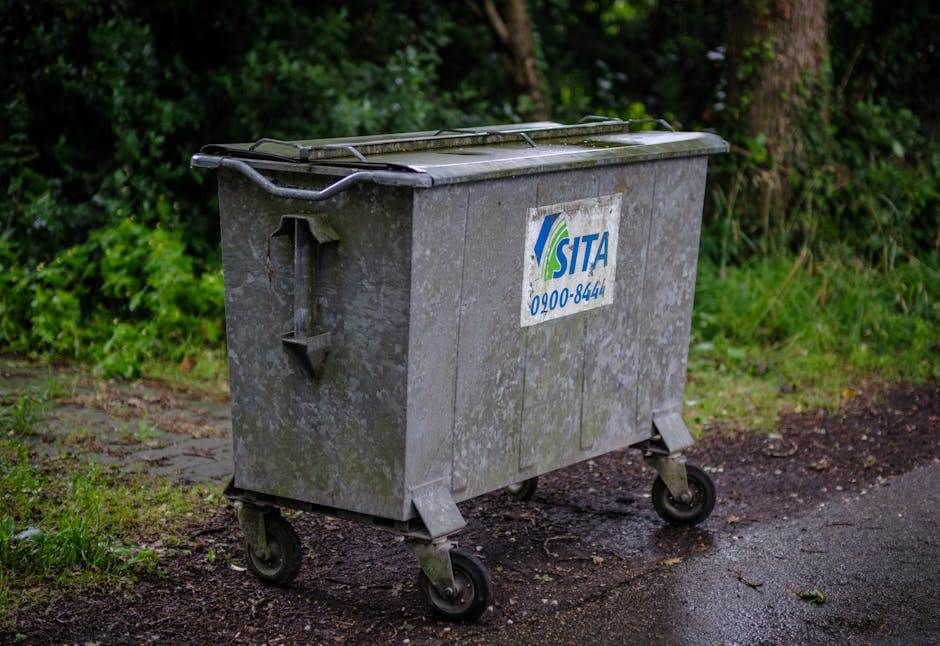
What to know about bulky waste collection near Wanstead Park
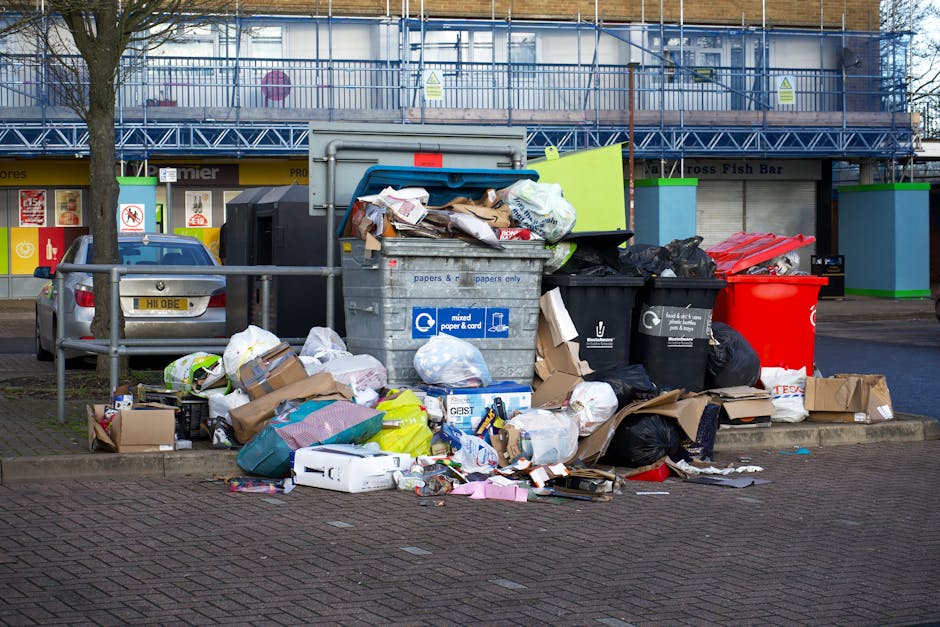
If you are staring at an old sofa, a broken wardrobe, or a garden item that is far too awkward for your usual bin day, you are not alone. Bulky waste collection near Wanstead Park is one of those jobs people tend to put off until the hallway is crowded, the spare room has become a storage cave, and everybody starts stepping around "that thing" in silence. Truth be told, the process is usually simpler than it feels at first, but there are a few details worth getting right.
This guide explains how bulky waste collection works, what can and cannot usually be taken, when it makes sense to book a private clearance service, and how to avoid common mistakes that slow everything down. If you want a cleaner home, a calmer schedule, and fewer last-minute headaches, this should help.
Why bulky waste collection near Wanstead Park matters
Bulky waste is not just "big rubbish". It usually means items that are too large, heavy, awkward, or unsafe to place in normal household waste containers. Think mattresses, sofas, armchairs, wardrobes, tables, bed frames, broken appliances, carpets, and the kind of leftover clutter that somehow multiplies in a garage over winter.
Near Wanstead Park, the practical problem is often access. Streets can be busy, parking can be tight, and flats or period homes may have narrow hallways, shared entrances, or basement steps that make lifting awkward. A simple item can become a proper hassle if it has to be carried downstairs, through a front gate, and around a parked car or two. That is why people often choose a collection service instead of trying to shift everything themselves.
There is also a safety angle. Bulky items can cause injury if they are dragged, tipped, or lifted badly. A heavy wardrobe can catch on a wall. A sofa can scratch flooring. A rusty shed panel can tear a hand. None of that is dramatic, but it is annoying, and sometimes expensive. Better to plan it properly than to improvise and regret it later.
For households clearing a room after a move, downsizing, or simply getting on top of accumulated clutter, a broader service such as home clearance or house clearance can be more efficient than booking item by item. If the job has spread beyond one sofa or one mattress, that is usually the point where people notice the difference straight away.
Expert summary: If the item is bulky, awkward, or too much for your normal waste routine, the real question is not whether it can be removed, but how to do it safely, legally, and with the least disruption to your day.
How bulky waste collection near Wanstead Park works
The exact process depends on whether you use a local authority collection, a private waste removal company, or a specialist clearance team. In everyday terms, though, the workflow is usually straightforward.
Typical collection process
- Request a quote or collection slot. You describe the items, access, and any tricky bits such as stairs, parking restrictions, or dismantling needs.
- Confirm what is included. Good providers will explain whether labour, loading, transport, recycling, and disposal are all part of the service.
- Prepare the items. You may need to move them to a ground-floor point, clear a path, or separate items that must stay in the property.
- Collection day arrives. The team loads the bulky waste, often with lifting equipment or two-person handling where needed. Simple enough, but timing matters.
- Sorting and disposal. Reusable, recyclable, and non-recyclable items are handled differently where possible. Responsible operators try to divert as much as they can from disposal.
If your bulky waste is part of a wider declutter, it can make sense to combine it with furniture clearance, furniture disposal, or even flat clearance if the property is being emptied. That is often cleaner logistically, and to be fair, it can save you from booking several separate visits.
What usually affects the collection plan
- number of items
- item size and weight
- floor level and stair access
- parking or loading access
- whether items need dismantling
- materials involved, such as wood, metal, fabric, or mixed waste
- whether the waste is domestic, garden-related, or from a small business
Many people assume a collection is just "turn up and take it away". Sometimes it is. But the smoother jobs are the ones where the access and item list are clear from the start. A minute of preparation saves a lot of back-and-forth later. Simple, really.
Key benefits and practical advantages
There are a few reasons bulky waste collection is so popular around Wanstead Park and nearby residential streets. Some are obvious, some less so.
- Less physical strain. No need to wrestle a mattress through a narrow doorway and hope for the best.
- Faster clear-down. A collection team can often remove several items in one visit.
- Better recycling outcomes. A good service will sort items sensibly rather than sending everything the same way.
- Fewer access problems. Trained crews are used to stairs, tight corners, and awkward loading areas.
- More predictable timing. Handy if you are working around a move, landlord inspection, or renovation.
- Reduced risk of damage. Walls, floors, and door frames tend to fare better when handled by people who do this every day.
There is also a mental benefit people often underestimate. A cleared room feels different. Quieter. More usable. You open the door and the place feels like a room again, not a holding area for old decisions. A bit dramatic perhaps, but anyone who has done a proper declutter knows exactly what I mean.
If you are dealing with a pile of mixed items from different parts of the property, a combined service such as loft clearance, garage clearance, or garden clearance may be more sensible than treating every item as a separate task. That is especially useful when the bulky waste is really just the visible top layer of a bigger organisation problem.
Who this is for and when it makes sense
Bulky waste collection near Wanstead Park is useful for more people than you might expect. It is not only for major house moves or full clearances.
Typical situations
- Households replacing furniture. Old sofas, wardrobes, beds, and tables need to go before new items arrive.
- Tenants and landlords. End-of-tenancy clearances often leave behind a surprising amount of large junk.
- Families downsizing. Moving to a smaller property usually means a hard edit of possessions.
- Homeowners after DIY or redecorating. Broken shelving, offcuts, and damaged fittings can pile up quickly.
- People clearing inherited property. These jobs can be emotionally heavy, and a practical team makes a real difference.
- Small businesses and offices. Desks, chairs, filing cabinets, and old fixtures may need to be removed without disrupting work.
It also makes sense where items are too large for normal bin collection, too awkward to leave out safely, or simply not worth hiring a vehicle and doing yourself. If you have a van, good on you. But for a lot of people, time is the real constraint, not effort. By the time you have borrowed a vehicle, found loading help, and driven across London traffic, the day has vanished.
For business premises, a service such as business waste removal or office clearance may be a better fit than a one-off domestic waste arrangement. The goal is to match the job to the actual setting, not just the item type. That distinction matters more than people think.
Step-by-step guidance
If you want a smooth collection, treat it like a small project. Not a big one. Just enough structure to avoid those irritating delays that always seem to happen at 8:15 on a Saturday morning.
1. Make a clear item list
Write down exactly what needs to go. Include quantity, approximate size, and whether anything is broken into parts. "One large wardrobe, dismantled" is much more helpful than "some furniture".
2. Check access properly
Look at stairs, lift access, parking, gates, and any tight turns. If you live in a flat or maisonette, mention shared entrances and any restrictions. A narrow landing can be the difference between a quick job and a fiddly one.
3. Separate what stays
It sounds obvious, but people often forget. Put aside personal items, documents, keys, chargers, and anything you want to keep. Once a clearance starts, the pace picks up. Nobody wants a last-minute treasure hunt under a pile of cushions.
4. Ask about dismantling
Some items may need to be taken apart before removal. That might include wardrobes, bed frames, or shelving systems. If dismantling is required, check whether it is included or whether you need to prep it yourself.
5. Confirm what the quote covers
Does it include loading? Labour? Disassembly? Multiple floors? Disposal fees? Recycling? Small differences in wording can change the experience a lot, so ask early.
6. Prepare the route
Clear the path from the room to the door. Move fragile items aside. Open gates. Parking can be the awkward bit, so if there is space that needs reserving, deal with it in advance where possible.
7. Keep one point of contact
If more than one person is involved, nominate one person to speak to the collection team. That avoids crossed wires and odd little misunderstandings. And yes, there is always at least one.
8. Check the result before the team leaves
Walk through the area and confirm everything agreed has been removed. It is much easier to deal with a missing item while the crew is still there than after the van has gone.
Expert tips for better results
A few small habits make bulky waste collection feel easier and more professional. These are the things that come up again and again in real jobs.
- Photograph the items before you book. This helps with accurate quoting and avoids "that is bigger than I thought" moments.
- Measure the awkward pieces. Especially mattresses, wardrobes, corner units, and anything with fixed handles or odd angles.
- Think about value first. If an item can be reused, donated, or sold, it may not belong in the waste pile at all.
- Keep similar materials together. Wood with wood, metal with metal, and so on. This can help with sorting.
- Be honest about access. If there are three flights of stairs, say so. Really, say so.
- Book a little earlier than you think. Especially if you are working around a tenancy deadline or renovation schedule.
One small but useful habit is to separate out any furniture that is beyond repair from anything that could still be cleared through a furniture clearance appointment. The more precise you are, the easier it is for the provider to choose the right load size and crew.
Another practical point: if the job involves mixed waste from decorating, consider whether part of it belongs in builders waste clearance. That can be the cleaner route for plasterboard offcuts, broken tiles, timber, and other renovation leftovers. It is a small distinction, but it helps the job run properly.
Common mistakes to avoid
Most bulky waste problems are not dramatic. They are just a bit avoidable. Here are the usual culprits.
- Not checking what counts as bulky waste. Some items are accepted, others need special handling.
- Leaving everything until the last minute. This causes rushed decisions and sloppy prep.
- Forgetting access details. A missing parking note can cause a frustrating delay.
- Mixing waste types without saying so. Domestic, garden, and construction waste may need different handling.
- Assuming all items are recyclable. Some are, some are partly recyclable, and some are not. It depends on the material and condition.
- Ignoring safety risks. Glass, sharp edges, mouldy items, and damaged frames need a bit of caution.
- Choosing on price alone. Cheap is not always cheap if the service is vague and the collection takes twice as long.
There is a related mistake worth calling out: underestimating the emotional side of clearances. It sounds soft, but it matters. Clearing a parent's home, a storage room full of memories, or an old office can be tiring in a different way. In those cases, a steady, well-organised service can be worth more than speed alone.
Tools, resources and recommendations
You do not need fancy equipment for most collections, but a few basics help a lot.
| Item | Why it helps | Best use |
|---|---|---|
| Measuring tape | Confirms whether items fit through doors or down stairs | Before booking and before dismantling |
| Phone camera | Captures item condition and access points | For quotes and planning |
| Marker pen and labels | Makes keep/remove decisions easier | When sorting mixed rooms |
| Strong gloves | Protects hands from splinters and rough edges | Moving smaller awkward items |
| Blanket or wrapping material | Helps protect floors and corners | In tight hallways or stairwells |
For people clearing a wider property, the most useful recommendation is to build the job around the type of waste rather than the room. A room may contain a mix of bulky furniture, loft clutter, and old office equipment. In that case, services such as loft clearance or office clearance may sit alongside the main bulky waste pickup.
If you are unsure whether a job is best described as waste removal, furniture disposal, or something broader, start with the simplest accurate description. That keeps expectations realistic and usually leads to a better quote. If you want to understand how the provider approaches sorting and environmental responsibility, it also helps to review their recycling and sustainability information. A clear, practical policy says a lot about how a company works.
Law, compliance, standards, or best practice
This part is worth taking seriously. In the UK, waste must be handled responsibly, and householders still have a duty of care to make sure rubbish is passed to a legitimate carrier. You do not need to become an expert overnight, but you should be comfortable asking sensible questions.
At a practical level, good practice usually means:
- making sure the waste is collected by a properly run service
- avoiding fly-tipping or informal disposal arrangements
- checking that the provider is insured and works safely
- keeping a record of what was removed if you need it for a landlord, agent, or business file
- being careful with items that may contain hazardous materials or electrical components
If an item is broken, contaminated, damp, sharp, or unusually heavy, say so. That is not being fussy; it is exactly the sort of detail that helps a team prepare properly. A reputable operator should be comfortable talking about health and safety and insurance and safety in plain English. If they are vague, that is a signal, and not a good one.
For commercial customers, the same principle applies, just with more moving parts. Office furniture, stockroom items, and redundant equipment should be handled with a process that respects business continuity and data protection where relevant. If paper records or old equipment are involved, pause and check what should be retained. It is boring admin, yes, but far less boring than a problem later.
Options, methods, or comparison table
There is no single "best" way to clear bulky waste. The right option depends on how much there is, how quickly you need it gone, and how hands-on you want to be.
| Method | Best for | Pros | Trade-offs |
|---|---|---|---|
| Local collection | A few standard bulky items | Simple and often cost-conscious | May have booking limits or restricted item types |
| Private bulky waste collection | Mixed household items or awkward access | Flexible, quicker, more tailored | Usually costs more than a basic council collection |
| Full property clearance | Large amounts of furniture and clutter | Efficient for bigger jobs | Not ideal if you only have one or two items |
| DIY disposal | Very small loads and easy access | Full control if you have transport | Time-consuming, physically demanding, and easy to underestimate |
For many households near Wanstead Park, private collection sits in the middle: less effort than doing it yourself, but more flexible than a basic set-menu collection. If the job is mainly old furniture, the most relevant route may be furniture disposal. If it is a broader move-out, then a more general waste removal service may fit better.
Price should never be the only factor, but it is sensible to compare like with like. Ask whether the quote includes loading, labour, disposal, and access considerations. A cleaner comparison beats guessing every time.
Case study or real-world example
A fairly typical local scenario goes like this. A household near Wanstead Park decides to clear a front room before new furniture arrives. The room contains an old two-seater sofa, a chipped coffee table, a broken sideboard, and a few smaller bits that have been sitting around since a renovation.
At first, the family thinks they can move it out themselves. Then they look at the narrow hallway, the staircase angle, and the fact that the sideboard will probably not make the corner without dismantling. That is the moment the plan changes. Sensibly, I should add.
They send photos, explain the access, and ask for a collection that includes loading and removal. The provider brings the right crew size, a plan for dismantling, and the correct handling for each item. The sofa goes first, the smaller items follow, and the room is clear in one visit. No scratched walls, no strained backs, no awkward borrowed van sitting half on the pavement while everyone pretends the parking situation is fine.
What made that job successful was not luck. It was specificity. They knew what was leaving, where it was coming from, and what the access looked like. That is the pattern worth copying.
In more complex cases, especially where the property needs a complete reset, a team that handles house clearance or home clearance can take the pressure off a long weekend and make the whole thing feel manageable. Not glamorous, but very effective.
Practical checklist
Use this before booking or collection day. It keeps things neat.
- List every bulky item clearly.
- Measure large or awkward pieces.
- Photograph items and access points.
- Check stairs, lifts, gates, and parking.
- Separate keep items from remove items.
- Ask whether dismantling is required.
- Confirm what the quote includes.
- Ask about recycling and disposal handling.
- Make sure someone is available to let the team in.
- Walk through the space before the crew leaves.
If you are dealing with the aftermath of renovations, garage clutter, or mixed household debris, consider whether the job includes builders waste clearance, garage clearance, or another specialist service. Matching the job to the waste type is half the battle, honestly.
Conclusion
What to know about bulky waste collection near Wanstead Park comes down to three things: know what needs removing, understand the access and handling involved, and choose a service that fits the actual job rather than the ideal version of the job in your head. A well-planned collection is quick, tidy, and much less stressful than trying to improvise at the last moment.
Whether you are clearing one awkward sofa or resetting an entire room, the smartest approach is to prepare early, ask direct questions, and work with a provider that treats safety and recycling seriously. That way, the process feels straightforward instead of chaotic, which is exactly what most people want.
If you are comparing options or lining up a property cleanout, take a moment to review service details, disposal standards, and pricing so you can book with confidence.
Get a free quote today and see how much you can save.
And once the bulky stuff is gone, there is usually a pleasant little silence in the room. A good kind of silence.
Frequently Asked Questions
What counts as bulky waste near Wanstead Park?
Bulky waste usually means large household items that do not fit in normal bins, such as sofas, beds, wardrobes, tables, mattresses, and similar awkward items. It can also include some large garden or household objects, depending on the service.
Can I leave bulky waste outside for collection?
Sometimes, but only if the collection provider has agreed to that arrangement. Many items should be placed at a safe, accessible point, and you should avoid leaving waste where it could block pavements or cause a hazard.
Is it better to book a bulky waste collection or a full clearance?
If you only have one or two large items, a bulky waste collection is often enough. If the room, loft, garage, or whole property has built up a mix of furniture and clutter, a fuller service such as house clearance may be more efficient.
Do bulky waste collectors take old furniture?
Yes, many do. Furniture is one of the most common types of bulky waste. If the items are mainly sofas, chairs, tables, or wardrobes, a dedicated furniture clearance or disposal service may be the right fit.
How should I prepare my items before collection?
Make a clear list, measure anything large, move personal belongings out of the way, and check access routes. If items need dismantling, ask in advance whether you should do that yourself or whether it can be handled as part of the job.
What happens if the item is too heavy or awkward to move?
A good team should be able to assess access and lifting requirements before arrival. If the item is especially heavy, damaged, or located on a difficult floor, tell them early so the right crew size and equipment can be arranged.
Can I include garden or DIY waste with bulky waste?
Sometimes, yes, but it depends on the provider and the type of material. Garden waste may fit better with garden clearance, while renovation leftovers may need builders waste clearance.
How do I know if a waste service is trustworthy?
Look for clear communication, sensible questions about access and item types, and straightforward explanations of safety, insurance, and disposal practices. If a provider is vague about what happens to the waste, that is a reason to pause and ask more.
Will bulky waste collection include recycling?
Often, yes, at least where the materials and condition allow it. Responsible providers aim to sort reusable and recyclable items where possible, which is why their recycling approach matters.
What if I only need help with one awkward item?
That is still a valid reason to book. One heavy wardrobe or broken sofa can be enough to justify a collection, especially if stairs, parking, or time make the task difficult to do yourself.
Is bulky waste collection suitable for offices and small businesses?
Yes. Desks, chairs, storage units, and redundant office furniture are common commercial items. For workplace clear-outs, a more tailored office clearance or business waste removal service is usually the best route.
What should I do before booking if I am unsure about the price?
Take photos, list the items, and note any access restrictions. Then ask for a clear quote and confirm what is included. That gives you a much better basis for comparing options than guessing from memory. And memory, let's be honest, is not always reliable on moving day.
Who should I contact if I want to discuss a specific clearance?
If you need tailored advice about a property, access, or mixed waste, use the company's contact page to ask about your particular job. For background on the business itself, the about us page can also be useful.